Seble Hailu

The Grammar of Healing: Art in Transitional Justice

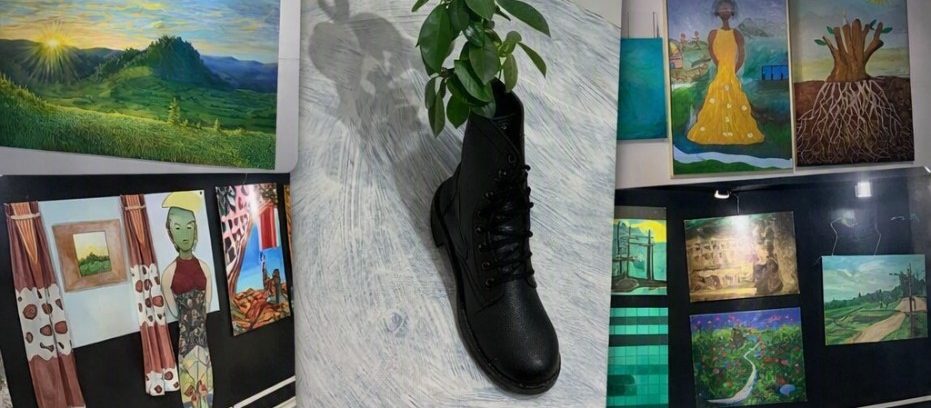
Last Month, Studio 11 Art Gallery hosted a profound conversation alongside the exhibition Grammar of Healing. Survivors of grave human rights violations entrusted their stories to artists, who translated them into paintings, sculptures, and drawings. The exhibition became an artistic showcase; a living archive of pain, resilience, and hope. Against this backdrop, the Association of Ethiopian Human Rights invited three panelists: a human rights expert, an art professor, and myself, a psychologist, to explore the role of art in transitional justice.

The Grammar of Healing: Art in Transitional Justice Read More »

When Hope Becomes Unsafe

I heard a statement recently that stopped me in my tracks. I was attending an online seminar on therapeutic approaches for chronic, invisible illness: an Integrative Healing State Protocol designed to help clients whose bodies carry pain that the world cannot see. In the middle of the presentation, the facilitator said something I have not been able to forget: “Sometimes hope becomes unsafe.” 

When Hope Becomes Unsafe Read More »

Rethinking Our Relationship with Money: A Psychological Perspective

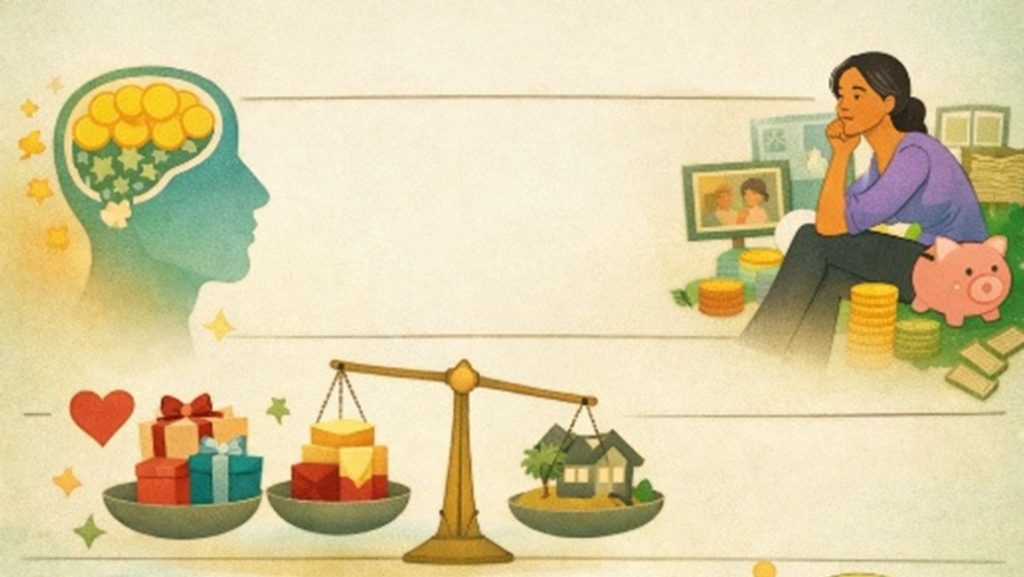
Money is often discussed in terms of numbers, budgets, salaries, investments, expenses, income, and debts. Yet beneath the surface, money is far more than arithmetic. It is a mirror reflecting our emotions, cultural narratives, and personal values. Last month, I led a discussion at AWiB roundtable on exploring how our relationship with money is deeply psychological, shaped by childhood experiences, cultural expectations, and the stories we tell ourselves.

Rethinking Our Relationship with Money: A Psychological Perspective Read More »

Ethiopian Coffee Ceremony – A Neuropsychological Practice

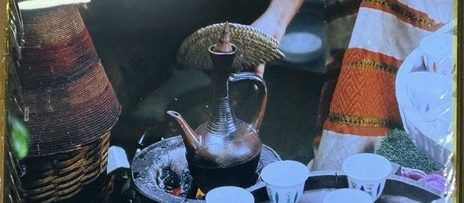
Last month, I had the privilege of serving as a panelist during Ethiopian Coffee Culture Day, where I spoke about the psychological dimensions of the coffee ceremony. While coffee is often celebrated globally for its economic and energizing qualities, in Ethiopia, it carries a deeper meaning. It is not merely a beverage; it is a ritual, a cultural anchor, and a neuropsychological practice that shapes community life and emotional well-being.

Ethiopian Coffee Ceremony – A Neuropsychological Practice Read More »

The Quiet Power of Hope

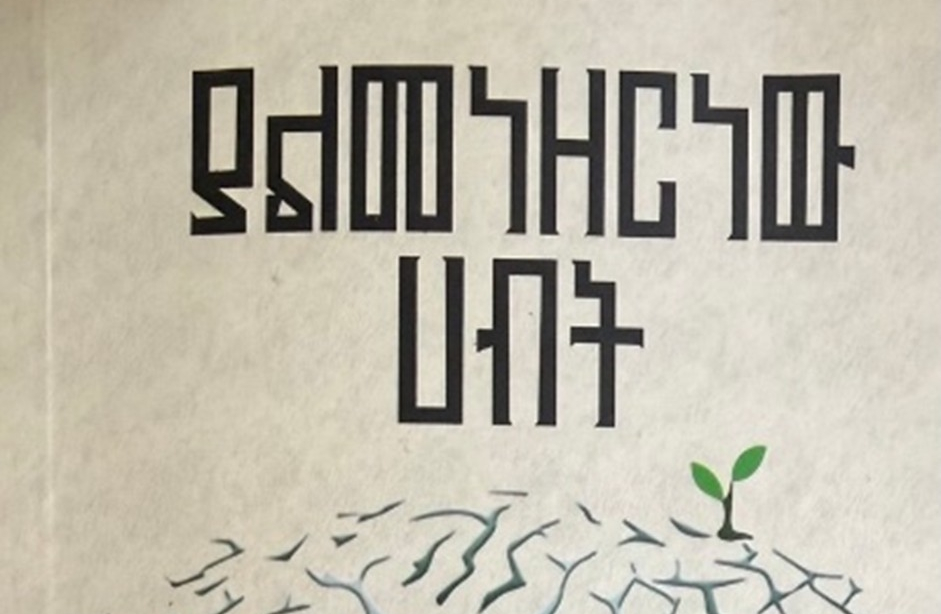
Two weeks ago, I was asked to be one of the panelists to reflect on a book called “ያልመነዘርነው ሃብት” – The untapped wealth by Dr. Tekalegne Nega, a multidisciplinary scholar.  As hope is interpreted in a multi-disciplinary way philosophically, psychologically, and religiously, his book focused on the psychological aspect that reflects humanity’s quest and ability to use what is at his/her disposal. 

The Quiet Power of Hope Read More »

When Fear Knocks: Answer with Courage

Fear whispers. It slips in as hesitation, self-doubt, or the subtle urge to avoid. It says, “Stay safe. Don’t risk it.” Courage whispers, too. It is the steady breath before speaking up, the silent decision to show up despite trembling. Both are internal voices—one seeks protection, the other growth. Choosing courage over fear, not with noise but with resolve, is how we begin to lead from within.

When Fear Knocks: Answer with Courage Read More »

Rivers of Resilience: From Safe Houses to National Renaissance

As Ethiopia steps into a new year, I carry with me the stories of women and girls who have already begun their own new chapters, long before the calendar turned. In the past two months, I walked into Safe Houses not just as a visitor, but as a witness to resilience. These shelters are more than physical spaces; they are sanctuaries of survival, courage, and quiet transformation.

Rivers of Resilience: From Safe Houses to National Renaissance Read More »

Innovation and Tradition

In June, I attended the Rotary International Convention in Calgary. One of the breakout sessions focused on peacebuilding, which combined innovation and tradition, catching my attention. On one hand, Rotary was established in 1905, with its rich tradition; yet, to operate effectively in the 21st century, it needs to adapt to technological advancements to sustain its functions, membership, and deliver greater impact in community services.

Innovation and Tradition Read More »

Scroll to Top