

Ethiopian Coffee Ceremony – A Neuropsychological Practice
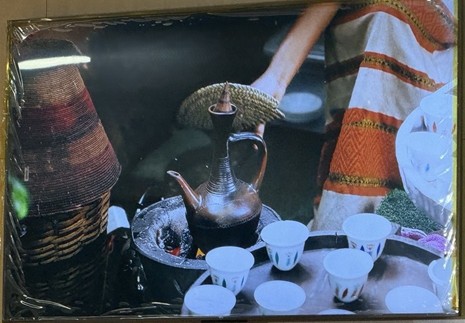
Last month, I had the privilege of serving as a panelist during Ethiopian Coffee Culture Day, where I spoke about the psychological dimensions of the coffee ceremony. While coffee is often celebrated globally for its economic and energizing qualities, in Ethiopia, it carries a deeper meaning. It is not merely a beverage; it is a ritual, a cultural anchor, and a neuropsychological practice that shapes community life and emotional well-being.
Coffee has long been described as a driver of socio-cultural integration in Ethiopia. Ethnographic studies highlight how the buna ceremony fosters cohesion, reinforces identity, and serves as a medium for transmitting values across generations. In villages, towns, and even government offices, the ceremony provides a structured space for dialogue, solidarity, and emotional support. It is a ritual that helps mitigate stress and strengthens collective resilience.
The ceremony’s power lies in its ability to create predictability and shared meaning. In psychological terms, it acts as an anchor. The deliberate rhythm of washing, roasting, grinding, brewing, and serving coffee mirrors mindfulness practices. Each step slows participants down, grounding them in the present moment. Neurologically, repetition and sensory focus activate the parasympathetic nervous system, lowering cortisol levels and calming the body. The aroma of roasting beans, the warmth of the cup, and the sound of grinding are sensory anchors that regulate emotions and reduce stress.
But the ceremony is not only ‘individual therapy’; it is profoundly social. Everyone shares the same sensory experience: the smell, the warmth, the taste. This synchrony fosters oxytocin release, the hormone linked to trust and bonding. Hospitality is central. Serving coffee three times: abol, tona, baraka symbolizes deepening connection. Each round reinforces a sense of belonging, reduces social anxiety, and strengthens community ties. In this way, the coffee ceremony becomes a living neuropsychological practice, transforming hospitality into community healing.
Beyond stress regulation, coffee gatherings often serve as informal spaces for mediation. In many communities, disagreements are softened over coffee. The ritualized dialogue creates a safe environment where tensions can be reduced and reconciliation fostered. In other words, the coffee ceremony serves as a grassroots conflict-resolution practice. Its slow pace encourages patience, empathy, and listening, qualities essential for peacebuilding.
I witnessed this power firsthand during visits to shelters for survivors of violence against women and conflict-related sexual violence in Addis Ababa and Northern Ethiopia. In these shelters, coffee was more than tradition; it was therapeutic. Women gathered around the roasting beans, sharing silence, stories, and warmth. The ceremony created a safe psychological space where the gathering could soften trauma. In those moments, coffee was not just a drink. It was a bridge between isolation and belonging, between pain and healing.
Coffee culture also reinforces identity and continuity. It provides a sense of rootedness that is psychologically protective in times of social change. Remarkably, the ceremony has persisted across different government regimes and social upheavals. It remains a constant, offering stability and continuity in a rapidly changing world. This rootedness is vital for mental health, as it strengthens resilience and provides a sense of belonging.
In our modern lives, dominated by instant coffee and instant messaging, the Ethiopian ceremony offers a counterbalance. It insists on patience. It insists on presence. We can think of it as non-clinical community therapy, deeply effective, yet simple. It reduces loneliness, enhances empathy, and strengthens resilience. Even if we cannot always perform the full ritual, adopting elements such as shared pauses, sensory rituals, and intentional hospitality can bring their benefits into contemporary life.
When we think of coffee globally, we often associate it with energy, speed, and productivity. But in Ethiopia, coffee means something very different. The traditional ceremony is not about rushing; it is about slowing down. It is about creating psychological space that supports emotional regulation, reduces stress, and builds social trust.
The ceremony unfolds in deliberate steps, each with psychological significance. Washing the beans, roasting them, grinding, brewing, and serving are all predictable rhythms that mirror mindfulness practices. Neurologically, repetition and sensory focus activate calming pathways in the brain. The sensory richness: the aroma, the warmth, and the sound allow participants to be in the present moment. In psychology, this is called a “grounding technique,” and it is especially effective in times of stress.
The social dimension amplifies the effect. Sharing the same sensory experience fosters synchrony, which enhances bonding. Hospitality deepens this connection. Serving coffee three times is not only a tradition; it is a neuropsychological reinforcement of belonging. Each round strengthens trust and community ties.
While Ethiopia has made strides toward inscribing the coffee ceremony on UNESCO’s Representative List of the Intangible Cultural Heritage of Humanity, the deeper question is how we sustain it in modern life. Culture is created, grows, and sometimes fades. The ceremony can endure if we recognize its unconscious psychological benefits and integrate them into organizational and communal settings. By framing the ritual as both cultural heritage and neuropsychological practice, we safeguard not only tradition but also mental health.
The Ethiopian coffee ceremony is more than tradition; it is a living neuropsychological practice. It grounds our emotions, transforms hospitality into healing, and strengthens community resilience. By slowing us down, engaging our senses, and binding us together, it offers a timeless model of community mental health in a fast-paced world.
And I leave you with this reflection: What would it look like if you brought a ritual of hospitality into your own daily life, not just to serve coffee, but to serve connection in this fast-paced world of work?
Written by: Seble Hailu(Ph.D.)
Share to your circles!