

Health Smart Recap
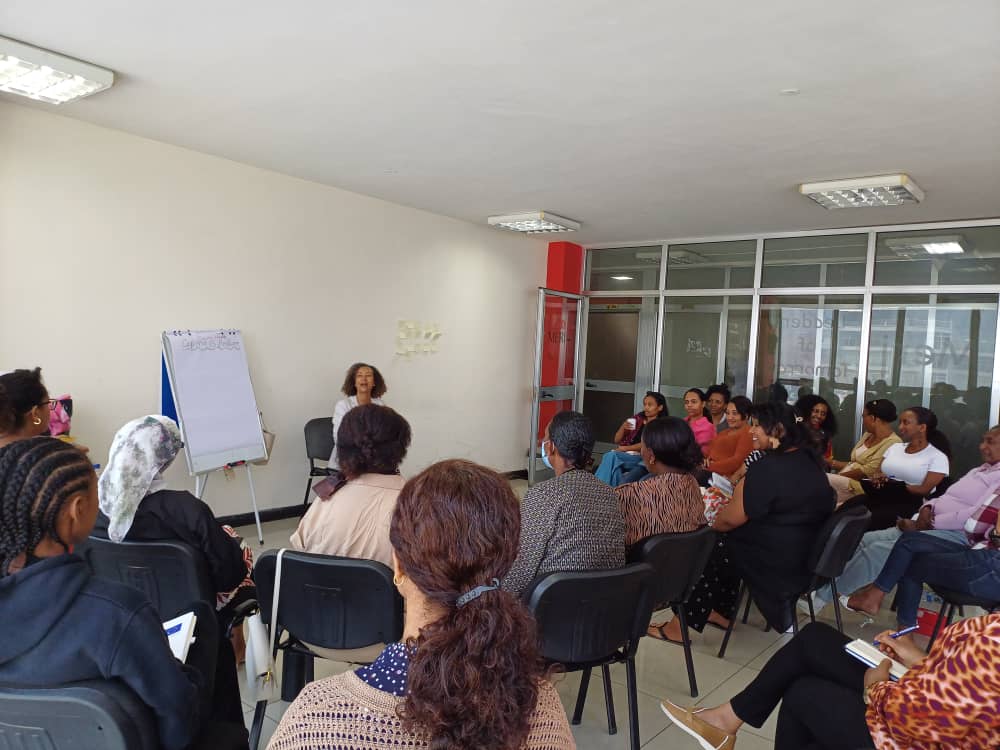
On February 28, AWiB hosted a full-day Health Smart session dedicated to exploring different aspects of well-being. The program brought participants together for thoughtful discussions on coping vs. healing, the impact of physical movement on well-being, and the role of nutrition in maintaining a healthy lifestyle. Throughout the day, attendees engaged with practical insights and reflections aimed at supporting both mental and physical health.
Coping vs. Healing
According to the Constitution of the World Health Organization (WHO), health is defined as a state of complete physical, mental, and social well-being. Mental health, in particular, refers to a state of well-being that enables people to cope with the stresses of life, realize their abilities, learn effectively, work productively, and contribute to their communities.
Coping is often a short-term strategy used to manage stress or discomfort. It helps calm or redirect emotions temporarily, but it does not necessarily resolve the underlying issue. A common metaphor used is ignoring the elephant in the room, the problem remains present even if we choose not to address it.
Healing, on the other hand, goes beyond symptom management. It involves acknowledging and addressing the root of the wound, creating space for genuine and lasting change. Healing requires awareness, patience, and intentional effort.
Key Takeaways
- Notice and reflect on your patterns and emotional responses.
- Practice self-compassion instead of self-judgment.
- Seek professional support when needed.
- Acknowledge progress and celebrate even the smallest wins.
The Effect of Physical Movement on Well-being
Well-being is holistic and involves caring for both the mind and the body. Physical movement plays a significant role in maintaining emotional and mental balance.
Simple movements such as stretching when waking up in the morning can positively affect our mood, energy, and overall well-being. Even small, intentional actions can help reset the body and mind.
In everyday life in Ethiopia, people often experience small but frequent stressors, sometimes referred to as microaggressions or daily pressures, from navigating heavy traffic to dealing with challenging urban environments. If these stressors accumulate without release, they can build up over time and eventually lead to emotional overwhelm.
Incorporating regular physical movement can help release tension, regulate emotions, and create space for mental clarity.
Key Takeaways
- Integrate small physical movements into your daily routine.
- Use movement as a way to release stress and tension.
- Be mindful of how your body responds to daily stressors.
- Create intentional moments of pause to reset both physically and mentally.
Nutrition
Nutrition is the process by which the body consumes, absorbs, and utilizes food to support growth, energy, and overall health. The foods we eat play a critical role in maintaining both physical and mental well-being.
According to the Ethiopian Food and Nutrition Guidelines, maintaining a balanced diet requires consuming a variety of foods each day to ensure the body receives essential nutrients.
Eating nutritious meals supports energy levels, strengthens the immune system, and contributes to improved concentration, mood, and long-term health.
Key Takeaways
- Eat a balanced variety of foods to meet your daily nutritional needs.
- Be mindful of how nutrition impacts both physical and mental health.
- Prioritize whole, nutrient-rich foods when possible.
- Build sustainable eating habits that support long-term well-being.
Share with your Circle!