

Risk Management Recap
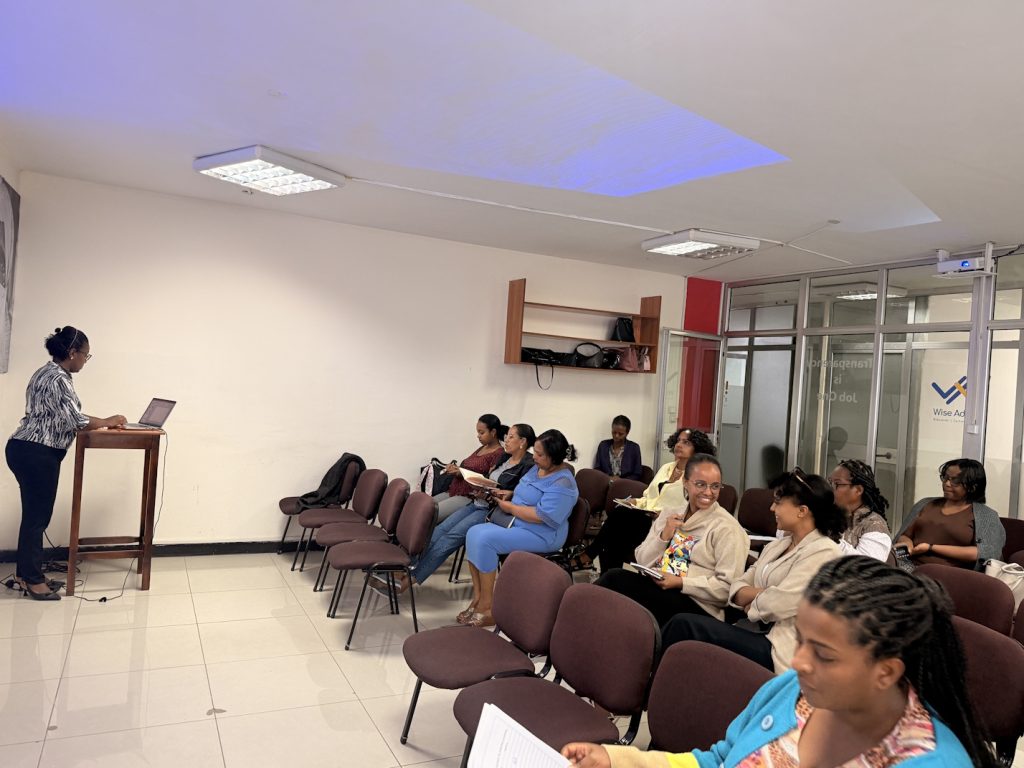
On the morning of May 30,2026, AWiBers participated in an engaging session on Risk Management, facilitated by Yetnayet Beyene. The session explored how risk is an unavoidable part of both business and personal decision-making and highlighted the importance of managing uncertainty rather than attempting to eliminate it.
The discussion began by exploring the concept of risk as the effect of uncertainty on objectives and emphasized that while risk cannot be eliminated, it can be effectively managed. AWiBers learned that successful organizations do not avoid risks altogether but make informed decisions about which risks are worth taking to achieve their goals.
The session also walked through the risk management process covering the steps of identifying risks, evaluating their likelihood and impact, implementing appropriate controls, developing response plans, and continuously monitoring and reviewing risks, emphasizing the need to assess risks based on likelihood and impact, evaluate existing controls, develop appropriate response strategies, and continuously monitor changing risk environments. Different approaches to handling risk, such as avoidance, mitigation, transfer, sharing, and acceptance were discussed as key tools for effective decision-making.
The session concluded with an insightful discussion on risk appetite and how individual personality traits can influence decision-making and risk-taking behavior. AWiBers left with a deeper understanding of how effective risk management supports resilience, informed decision-making and long-term success.
Major Takeaways
- Risk management is about making informed decisions, not eliminating all risks.
- Identifying and assessing risks early helps organizations respond proactively.
- Risks should be evaluated based on their likelihood and potential impact.
- Effective risk responses include avoiding, mitigating, transferring, sharing, or accepting risks.
- Continuous monitoring and review are essential as risks and business environments evolve.
- Understanding risk appetite and decision-making behaviors can improve both personal and organizational outcomes.
Share to your circles!