• Right Listening

    Right listening, or active and mindful listening, is all about truly connecting with the person speaking. It’s not just about hearing their words; it’s about giving them your full attention, being present with them in that moment, and understanding not only what they’re saying but also the emotions and deeper meaning behind their words. This kind of listening requires empathy, openness, and a non-judgmental mindset—it’s about being there for them, fully and completely.

  • How to Start your business on a Shoe string Budget?

    Before starting a business, pause and ask yourself why. What stirred something in you was it frustration, conviction, necessity, or a quiet vision that refused to disappear? Beyond income or independence, what value are you truly called to create? How will your work touch your customers, strengthen your community, or contribute to your country? A business is not only an economic act; it is a personal declaration of what you believe is needed and possible.

  • Digital Marketing

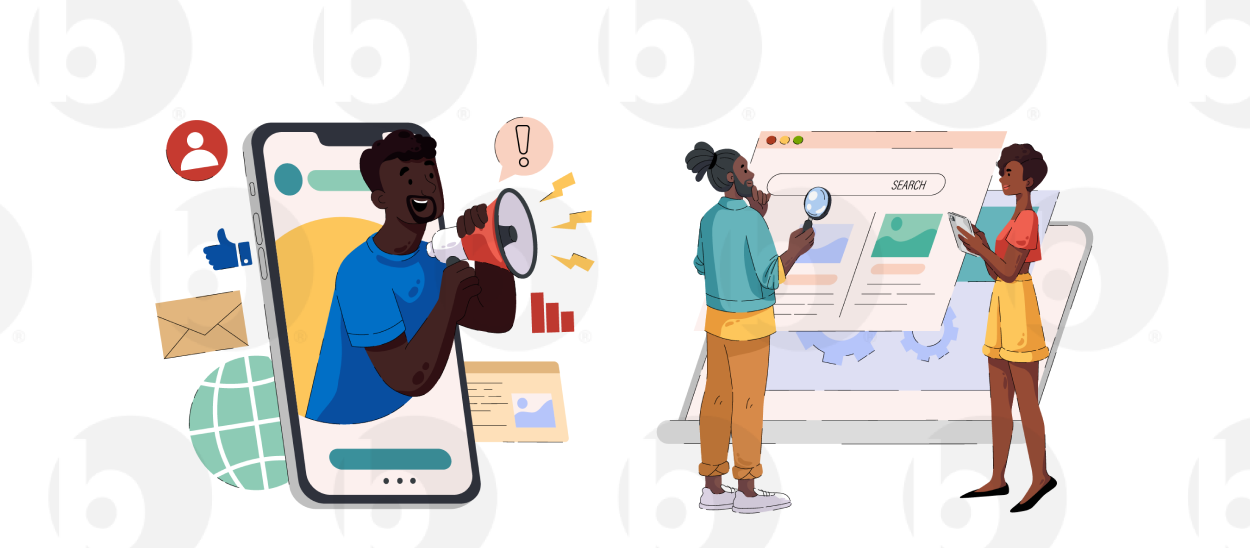
    Digital marketing revers to the use of digital channels to market products and services to customers or clients. It covers multiple areas, from Search Engine Optimization (SEO) to blog writing, copy writing, social media engagement, websites and other similar channels. It involves some of the same principles as traditional marketing as it is a way to approach consumers and understand their behaviors.

  • Creating your Profile

    A profile is an introductory short description that highlights your relevant qualifications, skills, and passion. It is an effective way to quickly show your potential employer or partner how you would fit into the organization or project at hand.  

  • Habit Formation

    Old habits can be difficult to shake off, and healthy habits are often harder to develop than one would like. But through repetition, it's possible to form and maintain new habits and eliminate bad ones. Even long-time habits that are detrimental to one’s health and well-being can be broken with enough determination and a smart approach.

  • Self-Branding

    In-person meet ups are no longer the only way to establish your brand. Yes, your brand – What Makes You, You! If you don’t brand yourself, someone else will, and the outcome might not be so favorable.

  • Reading Financial Statements

    Reading financial statements is a non-negotiable leadership skill because it empowers you to plan with confidence, anticipate challenges, and make informed choices about the future. When this skill is missing, critical information becomes blurred, leaving even capable leaders disconnected from the realities of their own organizations. By developing financial literacy, you reclaim authority over your decisions and direction. You are no longer dependent on others to interpret your numbers, you lead with insight, responsibility, and intention.

  • Self-Doubt

    Do you find yourself frequently questioning your own abilities and second-guessing your decisions, actions and words? “I am not good enough…” “What if it doesn’t work out?” “What if I’m wrong?” “I can’t do it …”. We all do once in a while but having these thoughts frequently is a sign of self-doubt. 

  • Responsible Leadership

    Responsible Leadership at its essence is being responsible to carry ourselves and lead our lives.  It is only then that we know how to be responsible for others and give back. We are responsible for our existence, our actions, our success and most importantly the contributions we make and the kind of world we will leave behind.

  • Sales and Promotion

    Sales and business promotion are essential to building awareness, attracting customers, communicating value, and achieving business goals. This session explores the role of promotion in the marketing mix, the different elements of the promotion mix, and how they can be integrated to create a consistent and effective approach to reaching target audiences.

  • Proposal Writing

    Proposal writing is all about pulling scattered information about an idea and putting it in a clear, concise, and persuasive way. It involves making structured and logical arguments laying down everything in favor of what we want to implement. It is a way to share with readers that we have thought through the idea and have the potential to successfully implement it if the requirements mentioned in it are met.

  • Creating Your Career Roadmap

    Creating a career roadmap is a critical skill for taking ownership of our professional destiny. It transforms us from being reactive job holders into proactive architects of our own success, turning uncertainty into clarity and aspirations into achievable milestones. It involves honest self-assessment, researching landscapes, setting strategic goals, and building the networks and skills necessary to navigate the path. Rather than leaving our careers to chance, roadmap creation is focused on aligning our work with our personal definition of success.