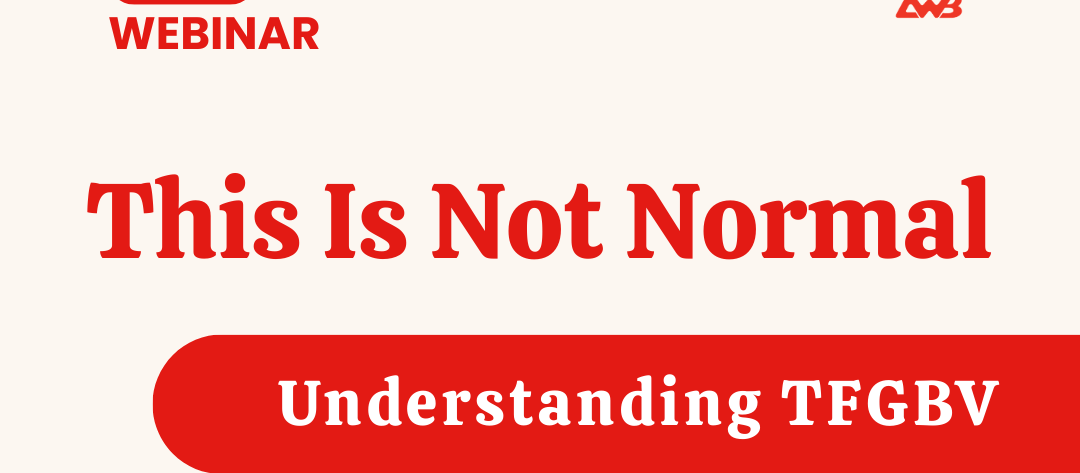
• This Is Not Normal: Understanding TFGBV

    While technology has created powerful opportunities for connection and empowerment, it has also amplified harmful behaviors that often mirror and extend offline gender based violence. Many survivors may not immediately recognize these experiences as violence, often normalizing or minimizing harmful online behavior. This highlights the urgent need for awareness, education, and collective action.


  • Life Balance

    Life balance, or work-life balance, is the practice of maintaining a healthy equilibrium between our professional responsibilities and personal commitments. It requires managing work, family, health, and personal interests in a way that ensures no one area overwhelms the others.

  • Embracing Your Womanhood

    To embrace your womanhood is to welcome every part of yourself with honesty and compassion. It means caring for your body, and allowing yourself to feel deeply. It is learning to trust your intuition, to celebrate your body and every stage in its cycles

  • NEGOTIATION SKILLS 

    Have you ever thought of working smarter?  Everywhere we go we are told that working hard is the only way to reap benefits in all that we attempt to do.  Working hard is great but if we think of skills to enhance our hard work knowing how to negotiate has a huge part to play.  Differences are inevitable focus, how we deal with them with minimum conflict and compromise matters.

  • POWER

    What do we mean by POWER?  Who has it?  Who wants it? One way of defining power is as the capacity or ability to direct or influence the behavior of others or the course of events. The force of power is often observed in relationships of every kind.

  • Relationship With Money 

    Our relationship with money is rarely just about numbers—it is deeply shaped by our emotions, memories, and beliefs formed over time. Often beginning in childhood, these experiences quietly influence how we think, feel, and behave around money as adults. In many ways, money becomes a mirror, reflecting our fears, desires, sense of security, and even our self-worth.

  • The Impact of Culture on Self Esteem

    Self-esteem is our subjective evaluation of our individual worth and how we see ourselves. A positive self-esteem enables us to navigate the ups and downs of life with our chins up and eyes forward looking. It allows us to have a balanced opinion of our capabilities and limitations. A negative or low self-esteem makes us devalue our abilities and limits our contributions, stagnating our potential

  • Leading You in the Digital Age

    We live in a time when we are glued to our smartphones, and our personal and professional lives now highly depend on technology. Artificial Intelligence (AI) and several digital tools are at our disposal for a more connected and efficient life - if we know how to use them. In this seminar, we discuss the relevance of digital tools and what new technologies we can utilize to better lead ourselves in today’s digital age.

  • The Art of Questioning

    Have you ever thought of asking questions as a form of art? Has it ever occurred to you that it is a skill that you can intentionally improve through practice? Whatever you just answered to these questions, it is inevitable that it triggers an intellectual process through which you can view how intentional you are when it comes to “Asking questions” or even better “Asking the Right Questions”.

  • Setting Boundaries

    Setting boundaries is a fundamental aspect of self-care, healthy relationships, effective communication and personal empowerment. Do you ever find yourself struggling to tell a close friend not to distract you while you are at work? Have you ever joined an activity just because you couldn't say "No" to that one good friend of yours? If so, you it is a sign that you struggle in setting clear boundaries. The real question here is “Why” and only you can find the answer to that.

  • Volunteering to Expand

    Volunteerism is the act of donating time and energy for the benefit of the community as a social responsibility rather than for any financial reward. It can be formal through volunteering in organizations or informal through volunteering directly in communities. It is a free choice we make to give our time for something we believe in and benefit our community.

  • How To Deal with Loss

    Loss comes to us in different forms: death of a parent, a child, or other family members, loss of a friend, a broken marriage, loss of business, loss of home, miscarriages, stillborn, and so on. Whatever type of loss you’ve suffered, there’s no right or wrong way to grieve; there is not a typical response to loss as there is no typical loss. But by understanding the stages and types of grief, we are able to find healthier ways to cope with it.