Rivers of Resilience:
From Safe Houses to National Renaissance
As Ethiopia steps into a new year, I carry with me the stories of women and girls who have already begun their own new chapters, long before the calendar turned. In the past two months, I walked into Safe Houses not just as a visitor, but as a witness to resilience. These shelters are more than physical spaces; they are sanctuaries of survival, courage, and quiet transformation.
All women and girl survivors arrived at the shelter with nothing but silence, unspeakable pain, and invisible bleeding. A survivor of conflict-related sexual violence, years of intimate partner abuse, a child found raped, and her body bore scars, etc., but her spirit carried something more profound: a quiet, aching question, “Am I still whole?”
On each woman or girl’s first day, she would relearn to sleep at peace. She would feel that now she is safe enough to close her eyes. The shelter would give her a bed, warm meals, clean water, and a safe space to hide. Her body began to trust again. Her breath slowed. Her hands stopped trembling. The basics, so often overlooked, became the first act of healing.
The shelter staff knew that trauma-sensitive care is more than just being housed; it is about being held. They know that routines could be comforting, that boundaries could be empowering, and that safety wasn’t just physical, it was emotional. Slowly, survivors began to speak.
Survivors with different stories meet others, but the same ache. After passing through individual and group therapies, they would re-learn to laugh, cry, and stitch together not just fabric, but fragments of themselves. In the cooperative tailoring group, they meet their belonging needs. Silences turn into dancing together, and singing hope.
Through vocational training, the survivors choose what they want to build their skills in to sell their ability and generate income. Some learn to sew, budget, and market their designs. Others learn how to engage in trading or culturally relevant money-making businesses, such as those in the food, clothing, beauty, decor, bamboo, and cottage industries. I felt like meeting them with applause. Not just for the product they produce, but for the courage it took to go beyond psychological healing and create their future. In peer relations, survivors may serve as mentors to new arrivals. Their voice, once buried, became a source of strength for others.
Amazingly, I had a chance to interview a survivor-run enterprise that supplies local markets and trains women across shelters. They established a cooperative that is part of a network, shaping policy and speaking at forums. Their trauma is not erased, but it is transformed. They are not just surviving. They are becoming.
Each survivor I met had crossed a threshold, from violence to safety, from silence to voice. And while the world outside may not always see their strength, I saw it in the way they dared to heal, dream again, and engage in economic empowerment and income-generating activities.
The Ethiopian New Year is a time of fresh starts, of cleansing rains and green shoots. It reminds us that healing is cyclical, that even after the harshest seasons, life insists on blooming. The survivors I met embody this truth. They are not just recipients of care; they are architects of their own renewal.
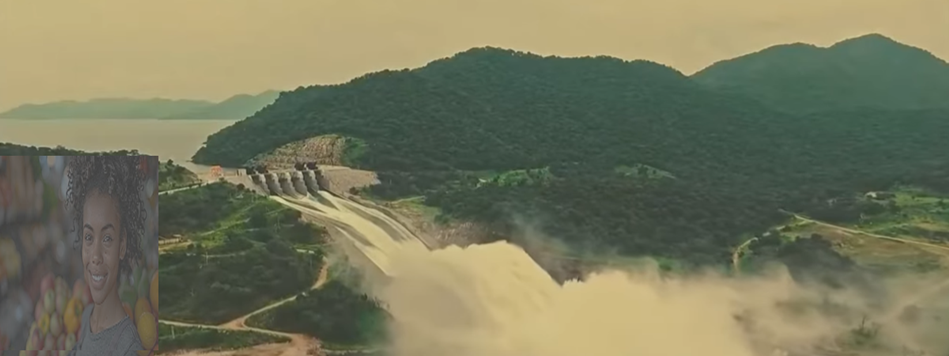
On the eve of our New Year, Ethiopia gifted itself a legacy, one carved not in stone, but in water, resilience, and unity. And just as these women are reclaiming their futures, Ethiopia has inaugurated the Grand Ethiopian Renaissance Dam—a monumental act of national resilience. As reported, it was built over 14 years without foreign aid or loans. Therefore, Ethiopians see the dam as more than a hydropower project. It is a symbol of what we can achieve when we pool our strength, honor our pain, and dream boldly.
The dam now stands tall on the Abay River, lighting homes, powering industries, and sending a message across Africa: we can build our own future. And so can the women I met. Their stories mirror the dam’s journey—marked by acknowledging violations of rights, struggling to survive, resisting violators, collaborating with systems that uphold resilience, taking the healing journey into one’s own hands, and finally, emerging.
As the New Year dawns, I see a parallel between the flow of electricity from GERD and the quiet power radiating from Safe Houses. Both are sources of light. Both are acts of defiance against darkness. Both remind us that healing, whether personal or national, is possible when we invest in dignity, unity, and vision.
So, here is to a New Year where survivors rise, rivers run with purpose, and Ethiopia steps forward, not just with megawatts, but with compassion, courage, and collective strength. Similarly, this New Year, I honor the journeys of survivors. I commit to amplifying their voices, to shaping systems that center their dignity, and to weaving their wisdom into the fabric of our collective future.
Happy 2018 to All!
Written by: Seble Hailu (Ph.D.)
Share to your circles!
God bless you dear for doing the work of God helping those who are in need. They see God’s merciful heart through you. My heart goes out to these beautiful souls who have gone through such pain.
May God increase you in all dimensions Sebleye.