What It Takes to be an Entrepreneur Recap
“The best way to predict the future is to create it.” – Peter Drucker
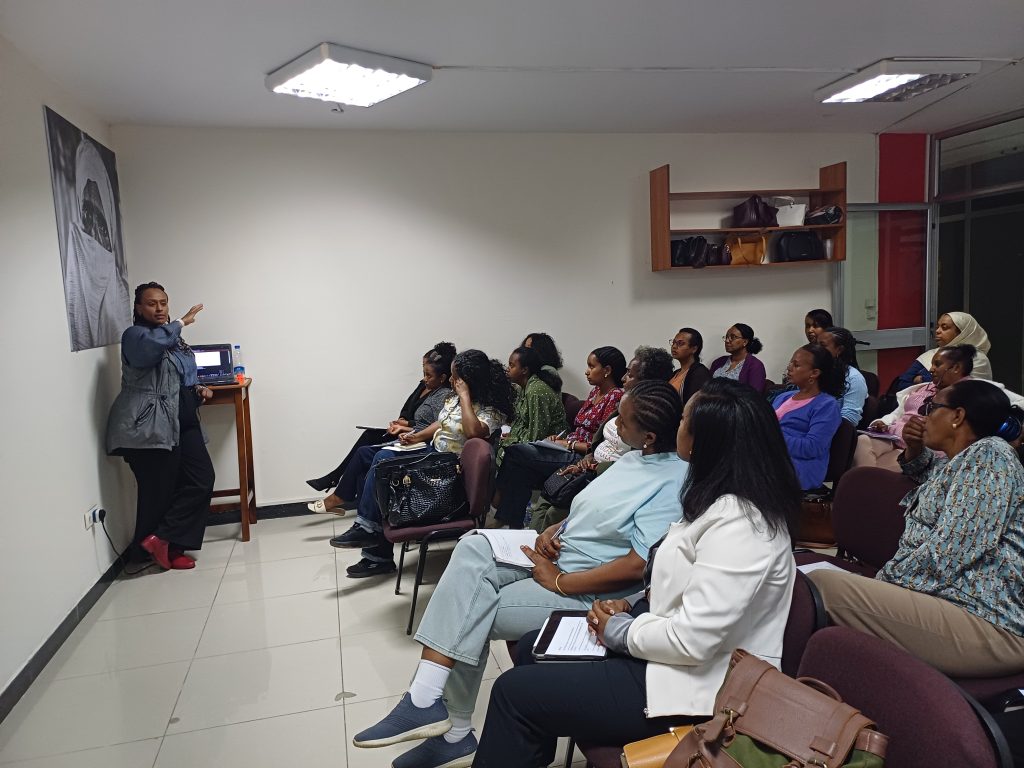
What It Takes to be an Entrepreneur was held on June 14, 2025, facilitated by Bilen Aynu, owner of Savor Addis Restaurant. The session explored the personal, practical, and philosophical aspects of entrepreneurship, especially from the lens of a woman in Ethiopia. Bilen draws from her journey of growing up with entrepreneurial parents, building a business while working full-time, and navigating both privilege and challenge.
Entrepreneurship offers more than just a career path—it represents freedom, passion, and purpose. It provides the opportunity to innovate and create something meaningful. At its core, it’s about taking charge of your destiny, choosing to shape your own future rather than waiting for circumstances to define it.
For Ethiopian women, entrepreneurship is often supported by community structures like family, Equb, and microfinance institutions. However, the journey is not without its hurdles. Many face gender-based power imbalances, corruption, and inappropriate expectations, making resilience and resourcefulness essential.
Key Points
- Entrepreneurship is not an innate talent but a practiced discipline. It can be cultivated through education, skill-building, real-world experience, and the support of networks like mentors and peers. Successful entrepreneurs often share key traits: resilience, adaptability, creativity, strong leadership, and the courage to take calculated risks.
- A solid business plan serves as a roadmap for your venture. Core components include an executive summary, detailed market research, financial projections, and a strategy for sustainable growth. While it doesn’t guarantee success, it helps guide decision-making and reduces uncertainty.
- Building a sustainable business takes time. Entrepreneurs must embrace discipline, commit to continuous improvement, and be prepared to push through obstacles. The road to success is often long and winding—but persistence makes all the difference.
Major Takeaways
- Growth takes time.
- Discipline, continuous improvement, and endurance are key.
- Financial literacy is important to understand and manage financial risks.
- Budgeting, forecasting, and knowing your runway are vital.
- Risk is inseparable from reward but must be managed through calculated decisions, not reckless action.
Share with your circles!