Tools for Dealing with Loss Recap
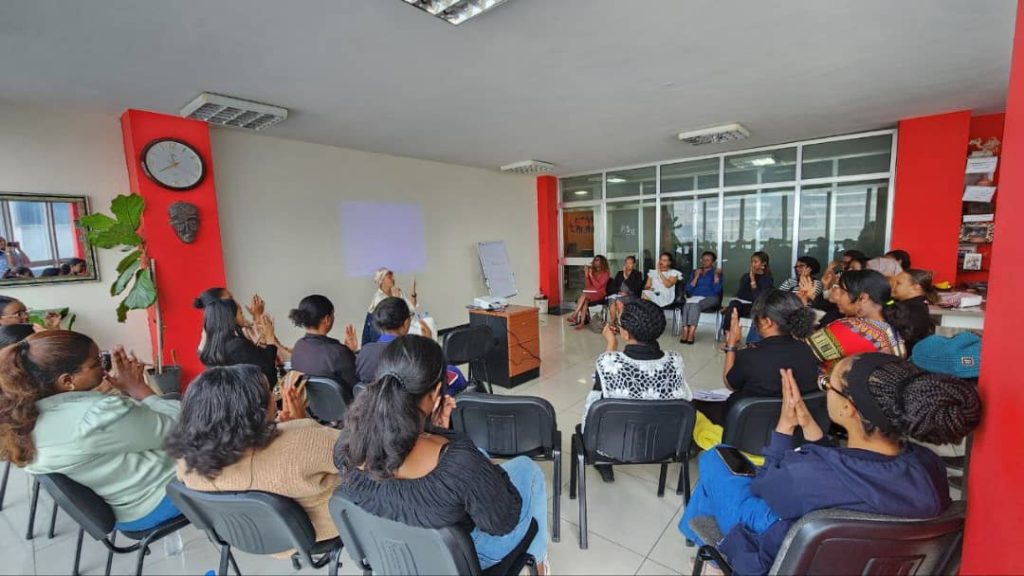
Loss is something we all experience, yet very few of us really know how to face it. During AWiB’s recent session, “Tools for Dealing with Loss,” we came together to talk about what it means to grieve — and how to do it in a healthy, compassionate way.
The session began with a simple but powerful question: How do you deal with loss and stress? Everyone reflected quietly for a moment before sharing. The facilitator encouraged us to speak openly about what we hoped to take away from the conversation, setting the tone for a safe and supportive space.
From there, we explored the different types of loss — from the actual loss of a person through death or separation, to the physical, perceived, and even anticipated kinds of loss, when we know something painful is coming. We also talked about psychological and traumatic losses, and how they each leave a different kind of mark.
It was comforting to hear that grief is not something to “get over” but something to move through. The facilitator reminded us that grief is a natural response to loss — and grieving is the process of finding our way back to balance. She shared that grief isn’t linear; some days will feel easier, while others will feel like the first day all over again. Healing doesn’t mean forgetting — it means learning to live with what has changed.
We went through the stages of grief — shock, denial, anger, bargaining, depression, testing, and acceptance — and discussed how they don’t always come in order. Some people may stay longer in one stage, and that’s okay. The conversation around bargaining was especially powerful — how often we find ourselves saying, “I should’ve done more” or “If only I had…”
As participants opened up about their personal experiences, the room felt deeply connected. Some shared about losing loved ones; others spoke about the end of relationships or big life changes. The common thread was that everyone understood what it meant to lose something or someone important — and that shared understanding made the space feel healing.
We also talked about how grief touches every part of us — physical, emotional, mental, social, and spiritual — and how coping healthily means caring for each of these parts. The facilitator introduced ways to practice self-grieving, starting with honoring our feelings instead of pushing them away.
Key Takeaways
- Commit to self-care. Express your emotions — through writing, art, movement, or simply talking to someone who listens.
- Do something beautiful. Create a memorial or ritual to remember what you’ve lost.
- Set realistic expectations. Healing takes time. Be patient with yourself.
- Reach out for support. Whether it’s friends, family, or professional help — don’t go through it alone.
Share to your circles!