The Burden of Greed Recap
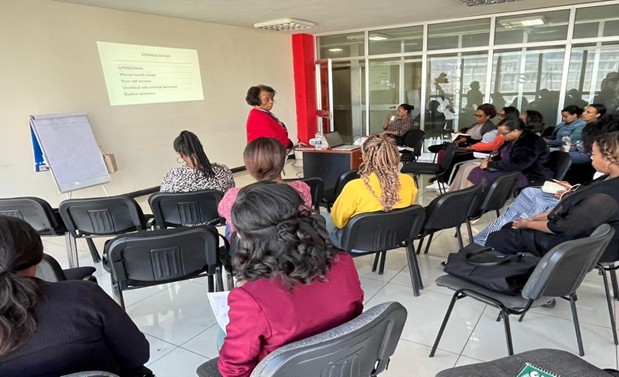
The session opened with introductions and a short conversation about what participants hoped to gain. Many people immediately raised questions about why individuals become greedy, setting the tone for an open and reflective discussion.
The facilitator defined greed as an excessive pursuit of something—never feeling satisfied no matter how much one has. She shared a story about a man who constantly replaced his car, yet the excitement always faded, showing how greed grows the more it is fed.
The discussion covered emotional triggers such as fear of loss, longing, and the belief that what we have might be taken away. Cognitive patterns like overestimating oneself or thinking others are ahead also contribute to feeling like nothing is enough. Social comparison was highlighted as a major factor, especially in Ethiopia, where people often feel pressured to keep up with others. The speaker also explained how dopamine and even psychological disorders can make greed function like an addiction. Participants reflected on moments when they felt greedy, and the speaker shared her own experience, emphasizing how struggle helps reveal the true value of things.
Greed affects both personal and interpersonal areas of life. Personally, it can cause stress, dissatisfaction, low self-esteem, and even unethical behavior. Interpersonally, it leads to strained relationships, jealousy, emotional detachment, and isolation.
The group discussed practical ways to manage greed, including mindfulness and gratitude, focusing on personal values over money, and applying empathy with healthy boundaries.
The speaker emphasized contentment, humility, self-awareness, and choosing the right people to surround yourself with. Gratitude practices were highlighted as especially important for the younger generation. Participants were encouraged to notice how they feel when greed arises within them. The floor was then opened for questions and reflections. To close the session, expectations set at the beginning were revisited. The session ended with a memorable message: “The earth provides enough to satisfy everyone’s needs, but not everyone’s greed.”
Key Takeaways:
- Greed often comes from fear, insecurity, and constant comparison with others.
- It can function like an addiction, driven by dopamine and endless desire.
- Greed harms personal wellbeing, causing stress, dissatisfaction, and low self-esteem.
- It damages relationships through jealousy, isolation, and emotional distance.
- Mindfulness, gratitude, humility, and strong personal values help reduce greedy behavior.
- Surrounding yourself with supportive, grounded people makes a difference.