Radical Acceptance Recap
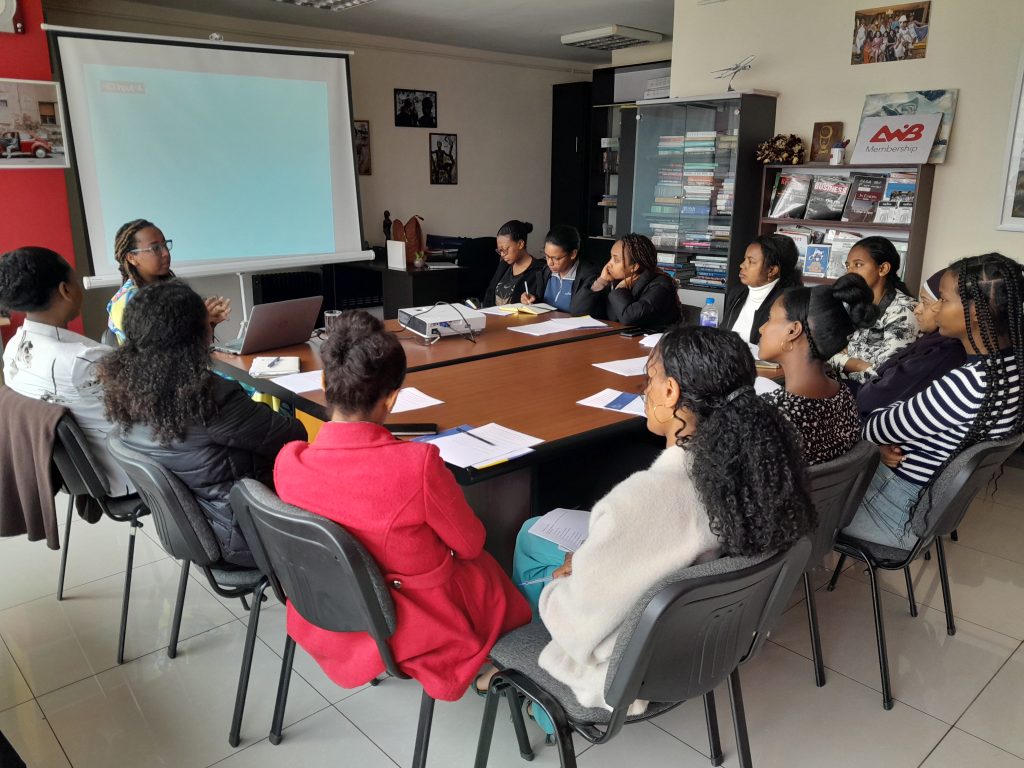
On Saturday, July 12, AWiB members gathered for a transformative session on Radical Acceptance, led by Hasset Chanu, founder and CEO of Mental Health Addis .
The discussion began by defining Radical Acceptance (RA) as saying “yes” to life, just as it is, and not resisting what cannot be changed. It’s about letting go of attachment to a painful past, understanding that non-attachment isn’t about suppressing emotions, but rather preventing pain from escalating into suffering.
The session clarified what RA is not. It’s not passive resignation, agreement with negative situations, or a judgment of reality. Instead, it’s about acknowledging reality to move forward, releasing bitterness and unhelpful emotions to pave the way for solutions and change where possible.
Reasons for lacking acceptance were also explored, including the misconception that acceptance equals agreement or the avoidance of confronting pain. However, it was emphasized that acceptance is a journey, requiring practice and dedication.
Major Takeaways
- Radical Acceptance is Accepting life on its terms, without resisting what cannot be changed; saying “yes” to life as it is.
- Radical acceptance is not giving up, agreeing with bad situations, or judging reality; rather, it’s acknowledging reality to move forward and release unhelpful emotions.
- Signs of lack of acceptance: Thoughts like “I can’t deal with this,” “This is not fair,” or “Things shouldn’t be like this.”
- Practicing RA involves identifying unaccepted realities, observing behaviors of refusal, and understanding how resistance perpetuates suffering.
- Tools for RA include Deep breathing, observing thoughts, reminding oneself that reality can’t be changed, self-talk, relaxation, mindfulness, and focusing on controllable aspects.
Share to your circles!