Navigating the Realities of Starting a Business Recap
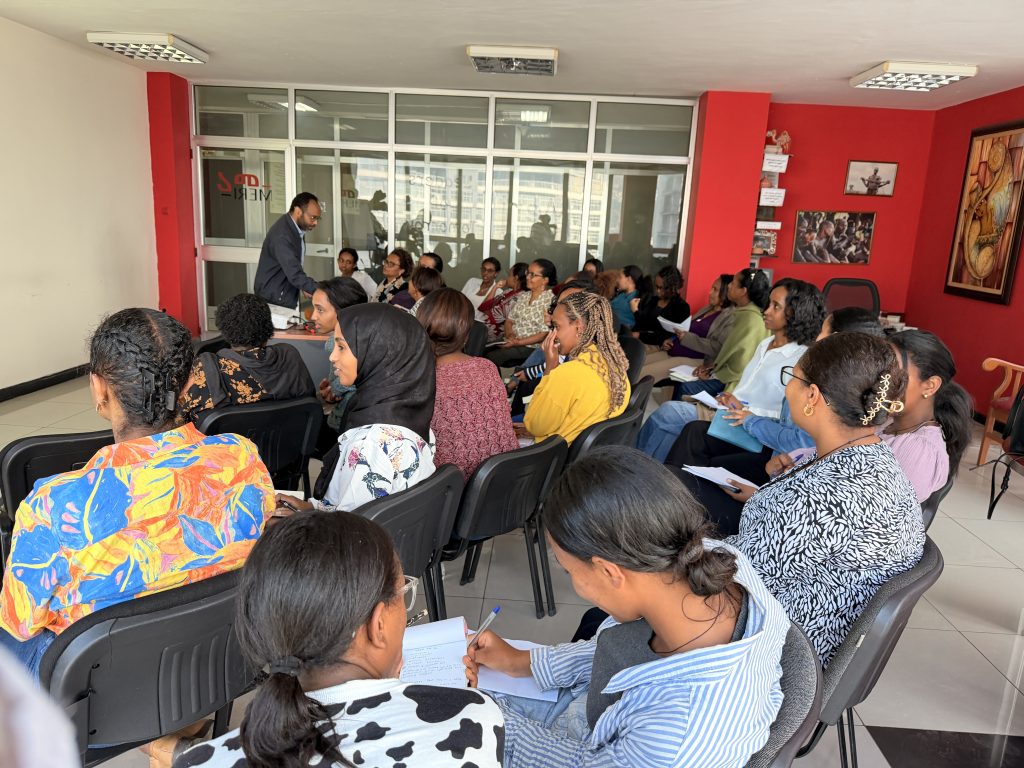
On November 22th, a vibrant group of women working moms, side-hustlers, freelancers, solopreneurs and corporate professionals gathered with one shared intention: to turn ideas into something real, practical, and sustainable.
We started by connecting over introductions, and a simple truth: having an idea is not the same as building a business. Many of us are juggling responsibilities, running households, supporting families, and searching for financial stability. Time is limited, capital is tight yet dreams remain big.
That is why the session centered around one powerful question:
“How can you grow a business using the skills you already have?”
This led us into the heart of the day—the Lean Canvas, a one-page tool that helps entrepreneurs validate ideas quickly. Instead of spending months planning a business nobody wants, participants learned how to test a concept in days.
From there, we unpacked the nine building blocks of a simple business model:
the problem, the customers, the unique value, the solution, the channels, the revenue, the costs, the metrics, and the entrepreneur’s unfair advantage.
The room shifted when we began discussing the MVP—Minimum Viable Product.
The idea felt empowering: you don’t need a big launch, a fancy office, or large savings. You can start with the smallest version of your idea and refine it with feedback.
The session also walked participants through the realities of entrepreneurship across two key phases: the early stage, filled with uncertainty, lean operations, and the search for product-market fit; and the growth stage, where scaling, customer retention, quality, and leadership become central challenges.
Finance, often a major barrier, was discussed openly and practically. Participants learned about multiple pathways: savings, family and friends, Iddir and Equb, digital equbs, and microfinance institutions offering loans
Key Takeaways:
- Start with what you already have. Your skills, your network, and simple digital tools are enough to begin testing a business idea.
- Lean Canvas saves time and money. It helps you validate your idea quickly so you avoid building something customers don’t want.
- MVP is the fastest path to learning. Launch the smallest version of your product or service, gather feedback, and iterate.
- Your mindset matters. Growth, resilience, and adaptability are essential traits for navigating uncertainty in the early stages.
- A scalable business needs systems. Automation, technology, and clear processes help you grow without burning out.
- Entrepreneurship comes in stages. The early stage focuses on testing and survival; the growth stage requires structure, quality control, and team development.
- Multiple financing options exist. From savings, equbs and digital banking, small businesses can access funds appropriate to their stage.
- Start small, start now