Health Smart Recap
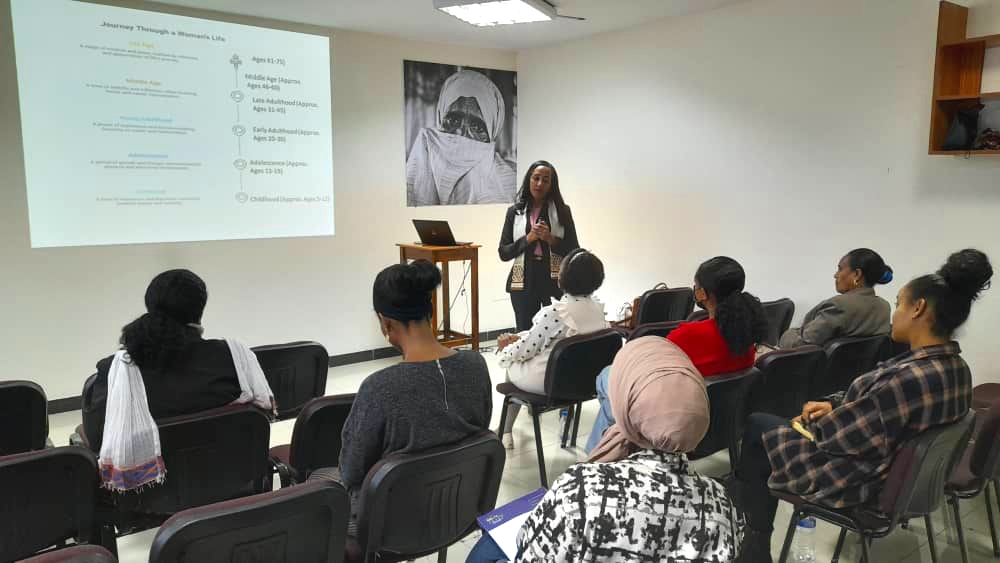
Health Smart was a full day session packed with information on women’s health. It had a three part focus addressing Reproductive Health by Dr Meseret Ansa, CEO of the St. Paul’s Hospital Center for Fertility and Reproductive Medicine-Michu Clinic, Perinatal Depression by Mahelet B. MD, Assistant Professor of Psychiatry and Navigating Menopause with Confidence by Dr. Mariamawit Asfaw, Gynecology Oncologist, Maternal, Child & Adolescent Health Services Lead, Executive Officer, Ministry of Health Ethiopia.
Dr. Meseret gave an overview of the reproductive journey through a woman’s life touching from childhood to adolescence, young adulthood, middle age and old age. This involved describing the different developments from discovery to puberty and hormonal changes happening during these phases. She briefly shared the experiences women have in their reporductive cycle during adolecence, firtility years, pregancy and menopause.
The participants raised questions on contraceptions and the effect of hormone changes. Dr. Meseret noted the different effects of contraceptions that vary from person to person. She highlighted the importance of understanding what works best for the woman and consulting a medical doctor regarding any side effects or questions. She underlined the concern for youth using plan B or emergency contraception as a regular contraception since it has serious consequences on hormonal changes and long term fertility if used repeatedly.
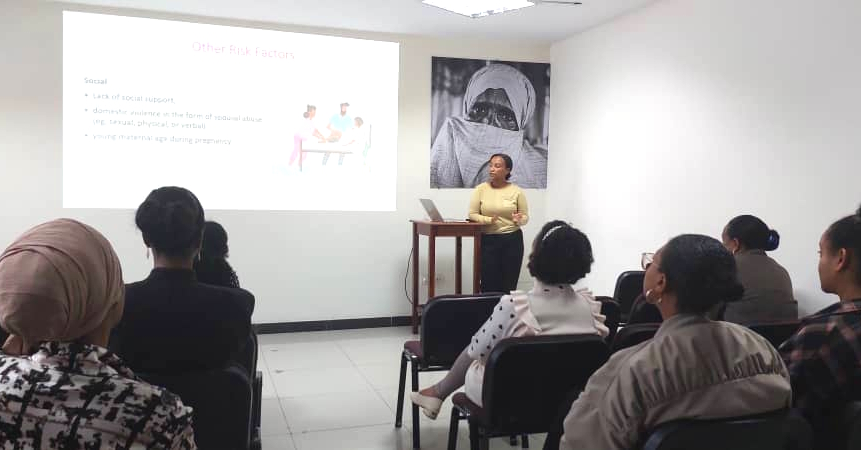
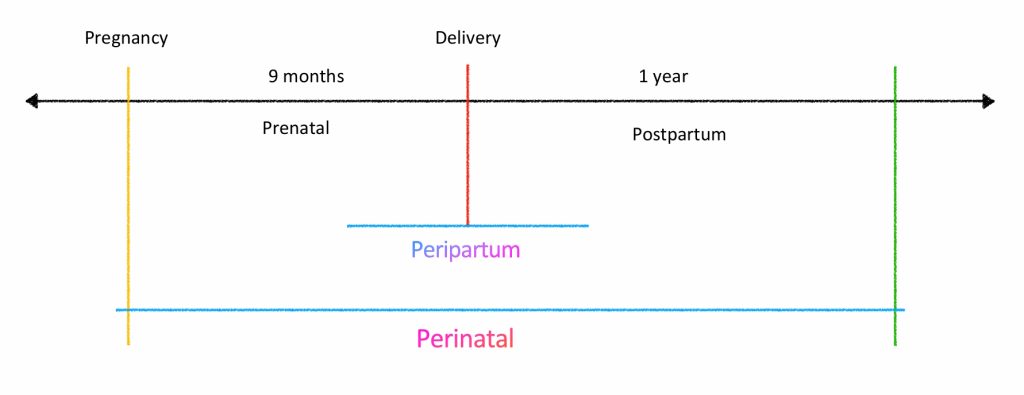
Dr. Mahlet then explained what Perinatal Depression means. Perinatal depression is a mood disorder that affects individuals during pregnancy or within 1 year after childbirth. She noted it includes the more widely known term Postpartum Depression, which can happen after a woman gives birth but also the less known term, prenatal depression, which can happen from the time a woman gets pregant. See the timeline on the image below.
Dr. Mahlet outlined the reasons perinatal depression such as pre-existing mental health issues such as trauma, issues with wellbeing of the mother and fetus during pregancy, unhealthy lifestyles and lack of enough social support. The impact may include poor parent-infant bonding, inability to breastfeed or take care of the baby, harmful parenting practices, marital discord and poor outcomes in the child’s health and development. Participants shared their experiences of perinatal depression and the effect it had on their wellbeing, marital health and child’s development.
Dr. Mahlet underlined the importance of seeking early treatment even if it is talking to a trusted friend. Since perinatal depression can cause the mother to have suicidal thoughts or thoughts of harming the baby, it is important to see the signs and support the mother through appropriate coping mechanisms, psychotherapy, or medication. Raising awarness to decrease stigma, promoting healthy nutrition, sleep and excersise as well as increasing social support for new moms can highly improve the mother’s and child’s wellbeing during this critical time.
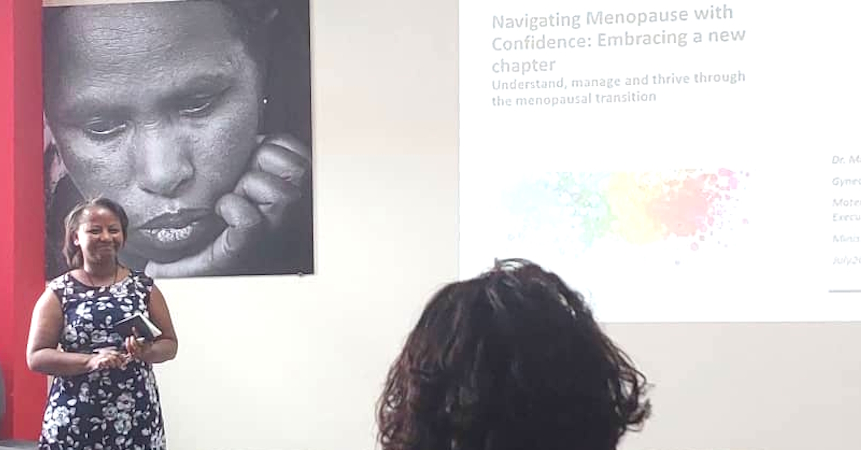
The afternoon session on Navigating Menopause was englightening as most of the participants shared that they had limited information on the topic. Dr. Mariamawit explained that Menopause is a natural biological process that occurs due to hormonal changes in a woman. It is defined as the point at which a woman has not had her period for 12 consecutive months.
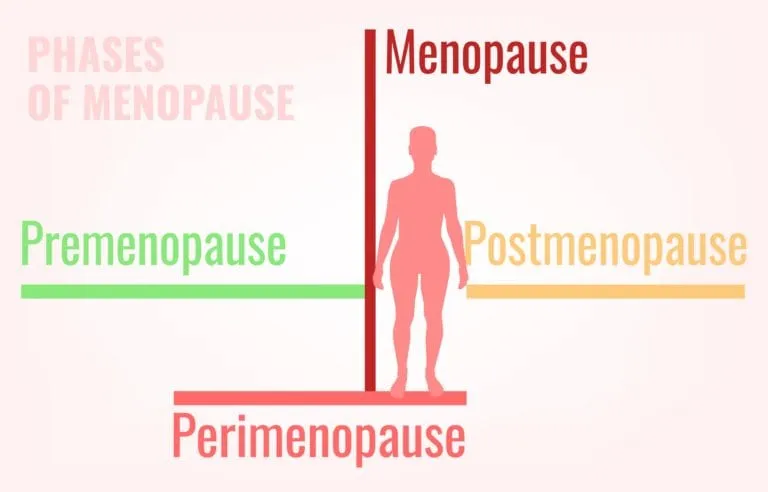
Dr. Mariamawit shared how the menopausal journey widely affects a woman such as hot flashes, night sweats, insomnia, mood changes (irritability, anxiety, depression), dryness, discomfort, brain fog, memory lapses, joint pain, weight gain, hair thinning, skin change among others. She noted that everyone experiences all the symptoms and it is different from every women.
Menopause affects a woman’s personal, professional and social life requiring increased support and understanding during this period. Dr. Mariamawit stressed the need to remove stigma on the topic so women can address their required needs during this time without feeling shame and lack of confidence when going through the phases of menopause.
It is important to know that there are medical interventions to address symptoms and crucial to act on the health needs of a woman post menopause such as vitamin suppliments, physical and mental excersise, maintaining intimacy and confidence.
Participants who attended the full day session left knowing more and feeling more confident about their own health as well as having a deeper understanding of the journey their firends, daughters, mothers, sisters, aunts and grandmothers are going through.
Share to your circles!