Setting Boundaries
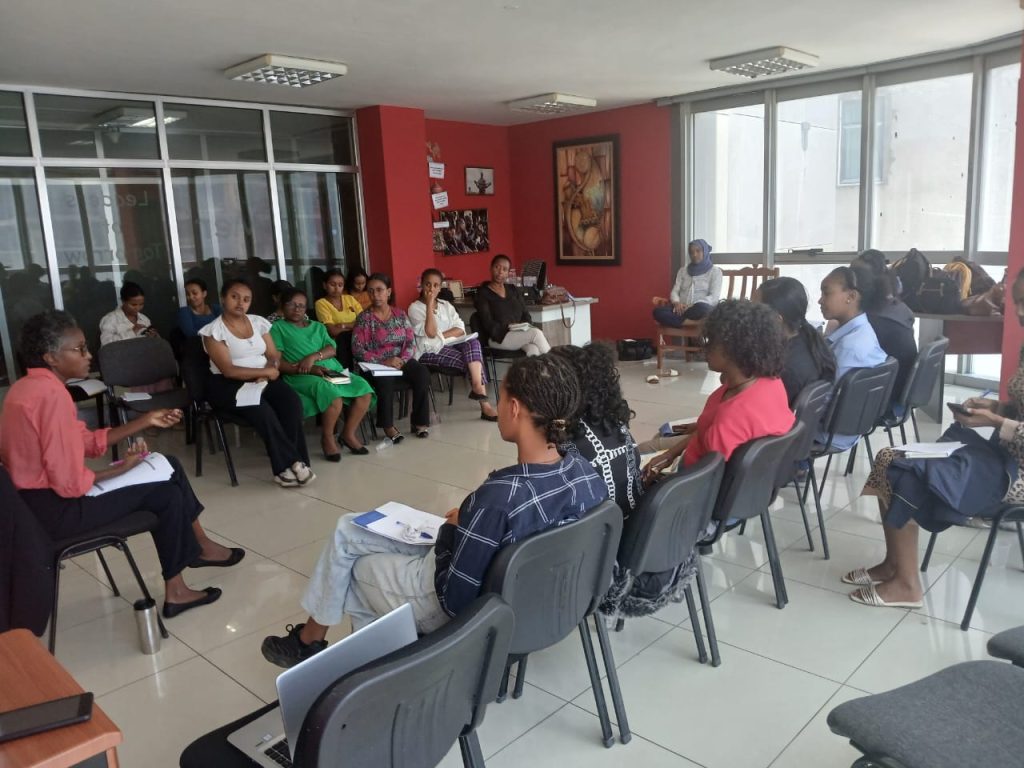
On the morning of May 10th, AWiBers gathered at the ARC for a reflective roundtable discussion on Setting Boundaries, facilitated by Maskarm Haile. The session invited participants to turn inward with honesty and openness. Maskarm emphasized that the process of setting boundaries can stir feelings of anger or regret, but encouraged everyone to remain receptive reminding us that boundary-setting is a lifelong journey, not something to be mastered in a single morning.
Throughout the session, she posed thought-provoking questions to help us examine our own habits and patterns around boundaries. Recognizing these patterns requires deep self-reflection and intentional internalization before we can practice them with compassion toward ourselves and those around us. She highlighted the need for daily commitment suggesting we dedicate at least 30 minutes each day to this work—to better understand ourselves and develop practices that foster self-awareness.
A key part of the discussion involved examining the belief systems instilled in us since childhood and how they influence our current approach to boundaries. We also explored various types of boundaries, including Physical, Emotional, Time, and Relationship Boundaries.
Key takeaways:
- Our childhood experiences and family dynamics deeply shape how we set boundaries, whether we’re aware of it or not
- The journey begins by recognizing our emotional responses such as discomfort, resentment or anger in specific situations—when we say “yes,” receive feedback, or interact with certain people
- Taking responsibility for our own feelings is crucial
- Open, honest communication with ourselves and others is essential for asserting boundaries
- Approaching this journey with kindness and gentleness—for ourselves and others—is vital
Share to your circles!