
- This event has passed.
A Commodity or A Human Right: Transforming Ethiopia’s Health Care System!
January 5, 2016 @ 5:30 pm – 9:00 pm
A Commodity or A Human Right: Transforming Ethiopia’s Health Care System!

Image Source: https://www.freepik.com/free-photo/life-insurance-concept-with-stethoscope_20825419.htm
A Commodity or A Human Right: Transforming Ethiopia’s Health Care System!
Speaker: Dr. Senait Fisseha, Director of International Program, Warren Buffet Foundation
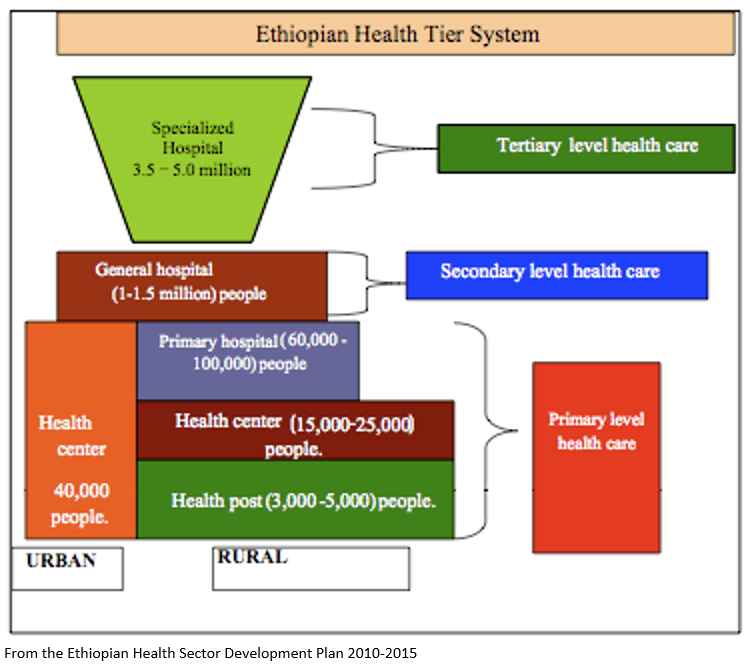
Ethiopia currently has about 1 doctor per 36,138 people, 149 hospitals, and 732 health facilities. These public centers are usually in urban areas and can only provide basic health services and generally have insufficient medical staff, supplies, and medicine. With a large patient base, waiting times can also be extremely long. Facilities in rural areas are extremely rare. These facilities only provide the most basic health services and almost none have anything beyond basic medical supplies. And Ethiopia has no national insurance policy.
There are currently more Ethiopian doctors working in Chicago, USA than in Ethiopia. The government has worked to fill gaps in access to care throughout its extensive and often hard to reach rural communities by recruiting and training women as paid frontline health workers. Nurses in the program provide additional and complementary services at local clinics. The government hopes to eventually offer advanced training to the health workers so that they can fill the gap left by the “brain drain” of doctors seeking higher paid employment in other countries. The project is helping Ethiopia develop affordable and sustainable innovative health care delivery solutions that can grow in scale and scope. Source: MOH
The World Health Organization (WHO) differentiates “primary health care,” from “primary care.” While the latter deals with delivery of basic services, primary health care represents a broader movement toward health equity. The goal of primary health care is to view “people as people, not diseases.” This is particularly a concern in the developing world, where there may be programs to provide HIV medication but inadequate surgical facilities for car crash victims, says Wim van Lerberghe, Director of Health Systems Policies and Workforce.
Dr. Senait Fisseha, Director of International Program at “Warren Buffet Foundation”, and instrumental in the Government’s effort to improve health care in Ethiopia, will discuss “the missing middle”…the middle class in search of adequate and quality service as citizens. (More on Dr. Senait Fisseha please read January 2016 Spotlight). What are the government’s and donors’ plans to tackle this major challenge? What is being done to curtail trained physicians leaving the country for better pastures? Are there any solutions or discussions on the table for better, quality and specialized medical practices? Is there any plan to invest in Medical Tourism as India and Thailand have done? What is keeping Ethiopia from galvanizing the support for this lucrative medical tourism business in light of Ethiopia’s strategic location, wonderful climate and hub to the Ethiopian airlines?
Reservation@awib.org.et is a must. We give priorities to those who reserve online.
For those who’d like to join AWiB’s membership, please bring 1800 Birr for the year and one passport photo.
AWiB members, if you are interested to display your services and products, please reserve a table at Reservation@awib.org.et
Share with your circle!